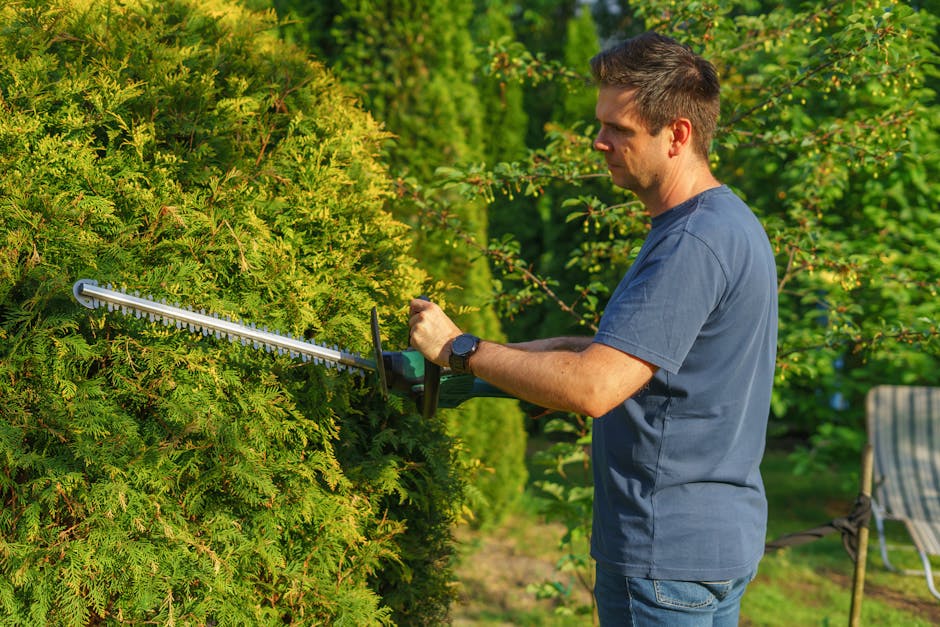
Neasden station gardeners reliable garden care: a practical guide for tidy, healthy outdoor spaces
If you live or work near Neasden station, you already know outdoor spaces have a way of revealing themselves when they're not being looked after. A lawn goes patchy, borders get messy after a windy week, and the whole place starts to feel harder to enjoy. That is where Neasden station gardeners reliable garden care comes in: steady, thoughtful maintenance that keeps gardens looking cared for without the usual last-minute scramble.
This guide explains what reliable garden care actually means, how it works in day-to-day practice, and what to look for if you want a service that feels dependable rather than patchy or overpromising. You'll also find a clear checklist, a comparison of common service styles, and a few honest pointers from real-world experience. Truth be told, the best garden care is often the least dramatic. Just consistent, tidy, and done properly.
For an overview of typical service options, you can also explore the services overview and, if you're comparing options, the team's pricing and quotes page is a sensible place to start.
Table of Contents
- Why Neasden station gardeners reliable garden care Matters
- How Neasden station gardeners reliable garden care Works
- Key Benefits and Practical Advantages
- Who This Is For and When It Makes Sense
- Step-by-Step Guidance
- Expert Tips for Better Results
- Common Mistakes to Avoid
- Tools, Resources and Recommendations
- Law, Compliance, Standards, or Best Practice
- Options, Methods, or Comparison Table
- Case Study or Real-World Example
- Practical Checklist
- Conclusion
- Frequently Asked Questions
Why Neasden station gardeners reliable garden care Matters
Reliable garden care is not just about making a place look neat on the day of a visit. It's about keeping things manageable over time. Around Neasden station, where homes, small businesses, rented properties, and shared outdoor areas can all have different needs, that consistency matters even more. A garden that is left too long between visits can quickly move from "needs a tidy-up" to "needs a proper reset".
There's also a practical side that people sometimes miss. Overgrown grass can hide rubbish, weeds can set seed fast, and shrubs left unchecked can block light or paths. If a garden is used by families, tenants, visitors, or staff, a regular care routine improves safety as much as appearance. That's the quiet value here. Not flashy, but genuinely useful.
Reliable care also reduces stress. You don't have to keep chasing different people, wondering whether they'll arrive, or dealing with a job half-finished because the schedule changed again. In our experience, that sense of steadiness is often what clients appreciate most. Not perfection. Just showing up, doing the job well, and leaving things better than they were.
If sustainability matters to you, it may also help to read the company's approach to recycling and sustainability, especially if you want clippings, prunings, and green waste handled responsibly.
How Neasden station gardeners reliable garden care Works
At its core, reliable garden care is a repeatable process. A good gardener does not just turn up and start cutting. They assess the space, agree what needs doing, and work through the garden in a logical order. That might sound obvious, but the difference between a rushed tidy and a professional maintenance visit is usually in the detail.
Typical visits near Neasden station may include grass cutting, edge definition, hedge trimming, weeding, leaf clearance, border tidying, and simple plant care. Some gardens need seasonal pruning or more considered attention, while others mainly need mowing and keeping paths clear. The point is to match the work to the space rather than forcing a one-size-fits-all routine.
Reliable services also tend to include clear communication. You should know what will be done, roughly when, and what is excluded. That transparency matters, especially if you're arranging access to a rear garden, communal area, or commercial frontage. A good provider will also make it easy to discuss changes. Garden needs shift with the weather, and lets face it, London weather does not always play along.
It's sensible to review the provider's health and safety policy and insurance and safety information if you're looking for peace of mind on occupied or shared premises.
Key Benefits and Practical Advantages
Good garden care delivers a lot more than a neat lawn. The gains are practical, visual, and sometimes surprisingly emotional. A tidy garden feels easier to use. It feels looked after. And when a space feels looked after, people tend to treat it better too.
- Better kerb appeal: First impressions improve quickly when lawns, edges, and borders are kept under control.
- Healthier growth: Regular mowing, pruning, and weeding prevent plants from becoming stressed or overcrowded.
- Reduced repair work: Small jobs handled early are usually cheaper and easier than major recovery work later.
- Safer walkways: Clear paths and trimmed growth reduce trip hazards and blocked access.
- Less ongoing stress: You don't need to keep figuring out what should happen next in the garden.
There's another benefit worth mentioning: reliability supports planning. If you are a landlord, letting agent, business owner, or busy homeowner, it is much easier to budget and manage expectations when the garden is maintained on a known schedule. No surprises. No panic calls before a viewing, an event, or a family visit.
Expert summary: Reliable garden care is best understood as preventive maintenance, not emergency repair. The regular rhythm is what keeps the work manageable, the costs steadier, and the garden in better shape through the seasons.
Who This Is For and When It Makes Sense
This kind of service suits a lot of people. Some need it because they simply do not have the time. Others have the time, but not the tools, or not the energy for heavier tasks. And some just want a garden that stays presentable without becoming a second job. Fair enough, really.
Reliable garden care is especially useful for:
- Homeowners who want regular lawn and border maintenance
- Landlords keeping rental properties presentable between tenancies
- Managing agents responsible for communal outdoor areas
- Small businesses needing neat frontages or external green areas
- Older residents or busy families who prefer dependable help
- Anyone preparing a property for sale, letting, or a seasonal refresh
It also makes sense when a garden starts to outpace your own routine. Maybe the lawn is growing faster than you can keep up with. Maybe the hedges are getting awkward. Maybe the beds look fine from a distance, but the weeds are beginning to win up close. That's the moment to bring in steady help before the job becomes too large or too unpleasant.
If you want to see the kinds of support that may be included, the services overview is useful for understanding the scope before you request a quote.
Step-by-Step Guidance
If you are arranging garden care near Neasden station, the process is straightforward when handled properly. The main thing is not to rush the conversation. A few clear details at the start can save a lot of awkwardness later.
- Identify the main pain points. Is it mowing, weeds, hedges, leaf fall, or general tidiness? Be honest about what's bothering you most.
- Measure the practical reality. Think about access, garden size, whether there is rear access, and if there are any awkward corners or fragile features.
- Ask what is included. Some services cover only mowing and basic tidy-up. Others include edging, pruning, and waste removal. Don't assume.
- Agree a schedule. Weekly, fortnightly, monthly, or seasonal visits all have different outcomes. The right rhythm depends on growth rate and how the space is used.
- Confirm communication and payment. It helps to know how you'll receive updates, invoices, or visit confirmations. The payment and security page is a helpful reference if secure handling matters to you.
- Review after the first visit. A quick check afterwards lets you fine-tune instructions before the routine settles in.
A small but important point: give clear instructions about access and any sensitivities in the garden. If there's a young tree you're trying to establish, a compost bin tucked behind a shed, or a border that looks wild but is actually planted on purpose, say so. A five-minute conversation can save a frustrating mistake. Been there, seen it.
Expert Tips for Better Results
There are a few habits that make garden care run smoothly, and they are often the difference between "pretty good" and "consistently dependable".
Keep the brief simple but specific
Try not to overwhelm the first conversation with a long list of vague preferences. Instead, lead with priorities. For example: "Keep the lawn short, the front border tidy, and the path clear." That gives a gardener a workable starting point.
Match the service to the season
Spring growth, summer trimming, autumn leaf clearance, and winter tidy-ups each need slightly different attention. A garden that looks fine in May can get messy by late August if no one adjusts the routine. The seasons really do set the pace.
Ask about waste handling early
Green waste can build up quickly after hedge cutting or heavier pruning. It is worth asking whether waste is taken away, composted, or left for disposal by the client. That one detail often shapes how tidy the final result feels.
Use regular visits to prevent bigger jobs
Smaller, regular maintenance almost always keeps costs and labour under better control than reactive clearing. You don't need to overdo it. Just don't let the garden disappear for months and then expect one visit to solve everything. That way lies disappointment.
Inspect the edges, not just the centre
The corners, fence lines, base of hedges, and behind sheds often reveal whether a service is truly thorough. A lawn can look decent in the middle and still feel neglected around the edges.
One more practical tip: if you want to understand how a provider thinks about responsibility and safeguarding, take a look at their health and safety approach. The best operators tend to be clear rather than vague.
Common Mistakes to Avoid
Most problems with garden care are not dramatic. They are small missteps that build up. That's the frustrating part. Luckily, they are easy enough to avoid once you know what to look for.
- Choosing only on price: The cheapest quote can be expensive if the work is rushed, incomplete, or unreliable.
- Being vague about expectations: "Just tidy it up" can mean very different things to different people.
- Ignoring access issues: Locked gates, narrow side passages, or parking limitations can affect the work day.
- Leaving it too long between visits: A neglected garden often needs restorative work before normal maintenance can resume.
- Overloading one visit: Packing too many tasks into a single booking can reduce quality and create rushed decisions.
- Forgetting seasonal timing: Some pruning and cutting tasks are best handled at specific times for plant health.
One less obvious mistake is not checking how a provider handles complaints or service issues. Nobody wants a problem, but if something goes wrong, you want a sensible route to sort it. The company's complaints procedure is worth reviewing for that reason alone. Calm and clear beats messy and defensive every time.
Tools, Resources and Recommendations
A reliable gardener will usually arrive with the right equipment for the job, but it helps to understand the basics. That way, you can judge whether a service is properly set up for the sort of work your garden needs.
| Tool or resource | Typical use | Why it matters |
|---|---|---|
| Lawn mower | Grass cutting and routine lawn maintenance | Gives a clean, even finish and keeps growth under control |
| Edging tools | Defining lawn and border lines | Makes the garden look sharper and more professionally maintained |
| Secateurs and loppers | Pruning smaller stems and thicker growth | Helps with healthy shaping and seasonal trimming |
| Leaf blowers or rakes | Clearing paths, lawns, and beds | Improves safety and keeps the space tidy in autumn |
| Green waste handling | Removal or recycling of cuttings | Prevents the garden from looking messy after maintenance |
| Service details and quote pages | Comparing options before booking | Helps you choose a service with confidence and clarity |
From a client point of view, the most useful resources are the ones that explain scope, pricing, and practical expectations. The pricing and quotes page helps with budget planning, while the services overview gives a clearer picture of what can be included. If you care about how waste is handled, keep the sustainability page in view too.
And if access or usability is a concern for you or someone in the household, the accessibility statement is a reassuring sign that the business has considered different user needs, which is a nice touch frankly.
Law, Compliance, Standards, or Best Practice
Garden maintenance does not usually involve heavy regulation for the average homeowner, but there are still sensible standards to follow. Good providers should work safely, respect property boundaries, and handle waste responsibly. On shared or managed sites, they should also be mindful of residents, visitors, and any access arrangements.
From a best-practice perspective, the essentials are simple:
- Use suitable equipment and keep it in safe working condition
- Protect people, pets, and property while work is underway
- Communicate clearly about timings, access, and completed tasks
- Dispose of waste responsibly and avoid leaving hazards behind
- Be honest about what a visit can realistically achieve
If you are comparing providers for a communal site, business frontage, or landlord-managed garden, it is wise to check for insurance and general safety practices. That is not being fussy; it is being sensible. The insurance and safety information is the kind of page that helps you make that judgment without guesswork.
For larger sites or repeated work, it is also reassuring when a company has clear policies in place around privacy, payments, complaints, and ethical standards. Even if those topics seem peripheral at first, they can tell you a lot about how the business operates day to day.
Options, Methods, or Comparison Table
Not every garden needs the same level of support. Some spaces only need occasional tidying, while others benefit from a regular maintenance plan. Here's a simple comparison to help you choose the right style of care.
| Option | Best for | Strengths | Limitations |
|---|---|---|---|
| One-off tidy-up | Overgrown or neglected gardens | Quick improvement, useful before a viewing or event | Does not maintain results for long without follow-up |
| Regular maintenance | Homes, rentals, and small businesses | Steady appearance, easier budgeting, fewer surprises | Needs a consistent schedule to work well |
| Seasonal care | Gardens with changing growth patterns | Good for pruning, leaf clearance, and stronger year-round planning | May not be enough for fast-growing lawns in peak season |
| Hybrid approach | Mixed-use or larger gardens | Balances routine mowing with periodic heavier work | Needs clear instructions so tasks don't get missed |
For many people near Neasden station, a hybrid approach makes the most sense. A lawn may need regular cutting, while shrubs and borders only need attention from time to time. That middle ground is often the sweet spot. Not too much, not too little.
Case Study or Real-World Example
Imagine a small front and rear garden near Neasden station. The front is visible from the street, so it needs to look presentable. The rear is used for family time, a few pots, and the odd bit of washing line space. Nothing especially fancy, but it had started to slide: grass too long, edges blurred, a few weeds in the patio cracks, and a hedge leaning a little wider every month.
The first visit focused on the basics. The lawn was cut, edges sharpened, and the worst weeds removed. The hedge was lightly reshaped rather than hacked back. That matters. A thoughtful trim usually looks better and grows back more naturally than an overzealous cut. The garden did not become "perfect" in one go, because that is rarely how it works. But it became usable again, and you could actually see the structure of it.
By the second and third visits, the work became easier. The gardener was no longer fighting against overgrowth. The client had clear expectations, the schedule was settled, and the garden started to hold its shape between visits. That is the real win. The space stops drifting.
Nothing glamorous happened there, honestly. Which is exactly why it worked.
Practical Checklist
Before you book garden care, use this checklist to avoid the usual headaches.
- Define the main jobs you want done
- Decide whether you need one-off, regular, or seasonal care
- Check access, parking, and gate arrangements
- Ask what is included in the visit
- Confirm how green waste will be handled
- Review pricing and whether a quote is fixed or estimated
- Ask about insurance and safety practices
- Make any fragile plants or special areas known in advance
- Clarify payment method and timing
- Keep a note of anything you want adjusted after the first visit
Quick reminder: if a service sounds vague before it starts, it will probably feel vague after it starts too. Clarity at the beginning saves irritation later.
Conclusion
Reliable garden care near Neasden station is really about trust, consistency, and sensible maintenance. A good service keeps the garden looking cared for, helps avoid bigger problems later, and makes life easier for the people using the space. Whether you need lawn cutting, border tidying, hedge work, or a fuller maintenance plan, the right approach is the one that fits your garden and your routine.
Choose clarity over guesswork. Ask practical questions, check the service details, and look for signs that the work will be handled safely and properly. The best result is not just a neat garden on one particular day. It is a space that stays manageable, season after season, without becoming a source of low-level stress. That's worth a lot, especially in a busy area.
If you are comparing options now, take a moment to review the available services, pricing, and safety information so you can make a decision with confidence rather than crossing your fingers and hoping for the best.
Get a free quote today and see how much you can save.
And if you get it right, the garden quietly starts doing its job again: welcoming people, framing the property, and feeling like somewhere you actually want to spend time.
Frequently Asked Questions
What does reliable garden care usually include?
It usually includes routine mowing, edging, weeding, hedge trimming, border tidying, leaf clearance, and general upkeep. The exact mix depends on the garden and the service agreement, so it's worth confirming what is included before booking.
How often should a garden near Neasden station be maintained?
It depends on growth rate, usage, and season. Many gardens benefit from weekly or fortnightly visits during active growing periods, while slower-growing spaces may only need monthly or seasonal work. The right rhythm is the one that stops the garden slipping backwards.
Is a one-off tidy-up enough?
It can be, especially if the garden has only drifted a little or you need it ready for an event, sale, or viewing. But if growth is fast or the space is used often, regular maintenance will usually give a better result over time.
How do I know if a quote is fair?
Look at what is included, how much time is expected, whether waste removal is part of the price, and whether the provider is clear about access or follow-up work. A good quote should feel transparent rather than cryptic.
Do gardeners remove waste after cutting and pruning?
Some do, some don't. That is one of the first things to ask. If waste handling matters to you, check whether clippings and trimmings will be taken away, composted, or left for your own disposal.
What if my garden is badly overgrown?
That usually needs a restorative visit before normal maintenance can begin. It may take more than one session to get things back under control, especially if hedges, borders, and lawns have all been left for a while.
Can garden care help with rental properties?
Yes. Regular garden care helps keep rental properties more presentable and reduces the risk of complaints about untidy outdoor areas. It can also make changeovers easier when tenants move out or in.
Should I choose the cheapest gardener?
Not automatically. Price matters, of course, but reliability, clarity, and proper workmanship often matter more in the long run. A low price is not much comfort if the work is inconsistent or incomplete.
What should I ask before booking?
Ask what services are included, how often visits are recommended, whether waste is removed, how payment works, and what happens if you need to change the schedule. Those questions usually reveal a lot about how organised the service is.
Are there safety checks I should look for?
Yes. It's sensible to check whether the provider has clear safety practices and appropriate insurance. That matters even for small jobs, especially if work is being done near paths, shared access areas, or occupied premises.
What's the difference between garden maintenance and garden clearance?
Garden maintenance is ongoing care that keeps a space tidy and manageable. Garden clearance is usually a more intensive job, often used when a garden has become overgrown or cluttered and needs a fresh start before routine care can begin.
How can I make regular garden care easier to manage?
Give clear instructions, keep access simple, and agree a sensible schedule from the start. If you know certain plants, bins, or boundaries need special attention, point them out early. A little clarity goes a long way, honestly.
Visit the Neasden lawn care team homepage if you want to explore the wider service area and see how the business presents its local support.